


How does the high purity of oxygen-free copper ensure stable electrical performance under extreme thermal cycling?
Release Time : 2026-07-24
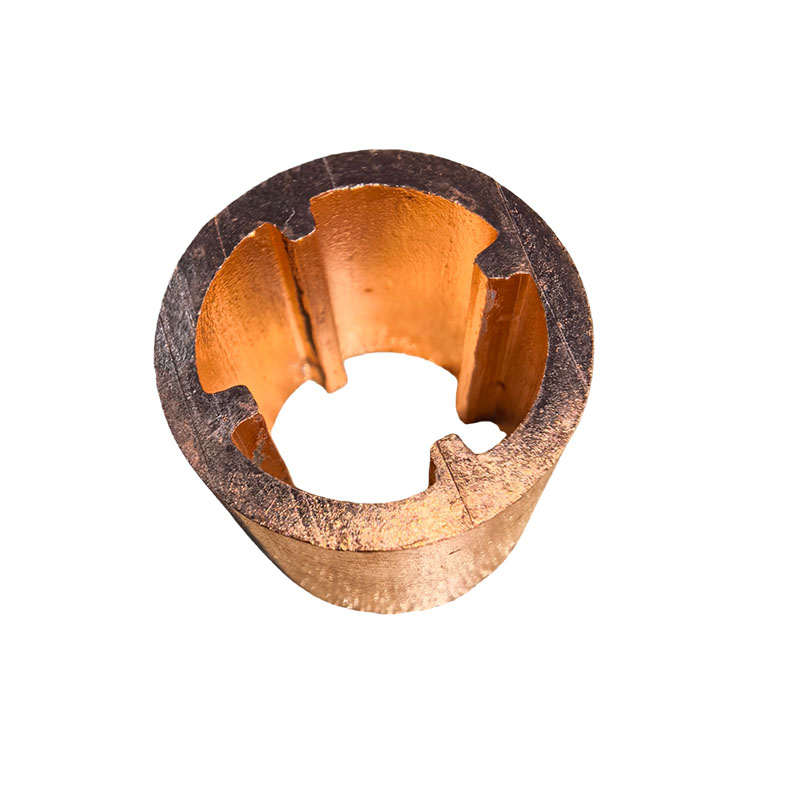
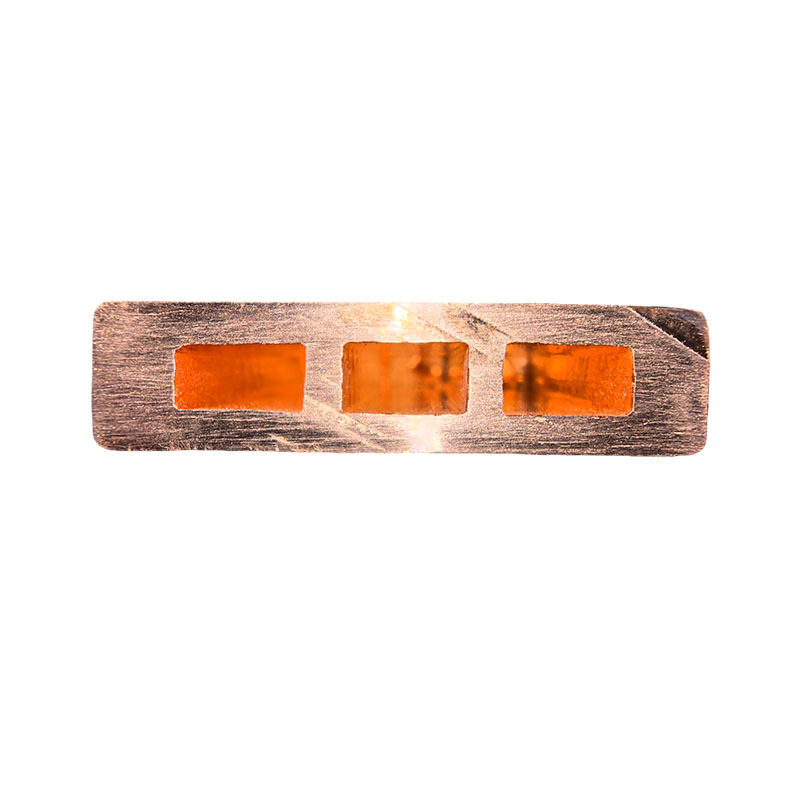
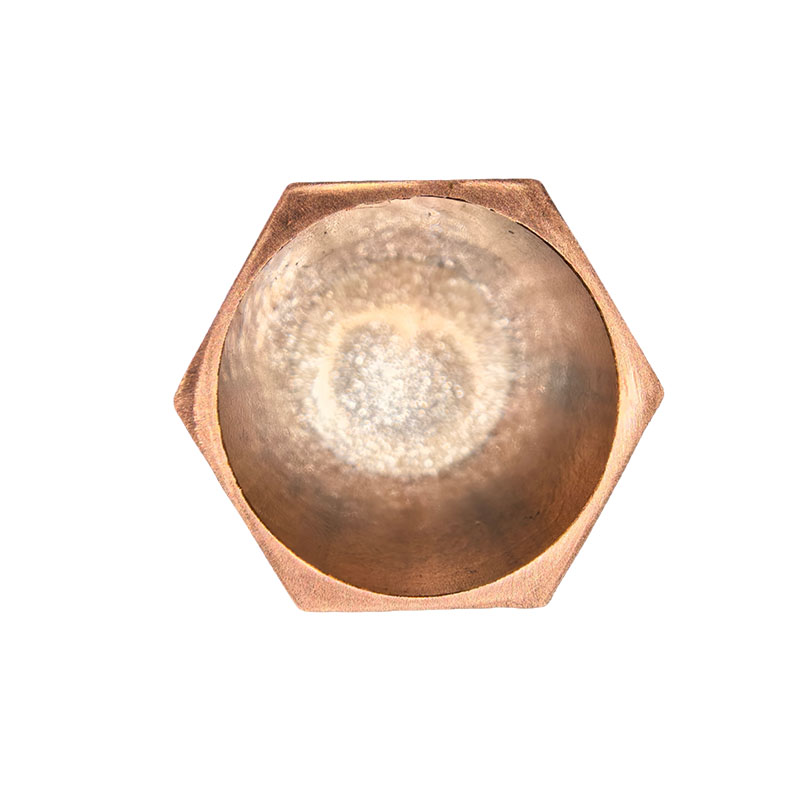
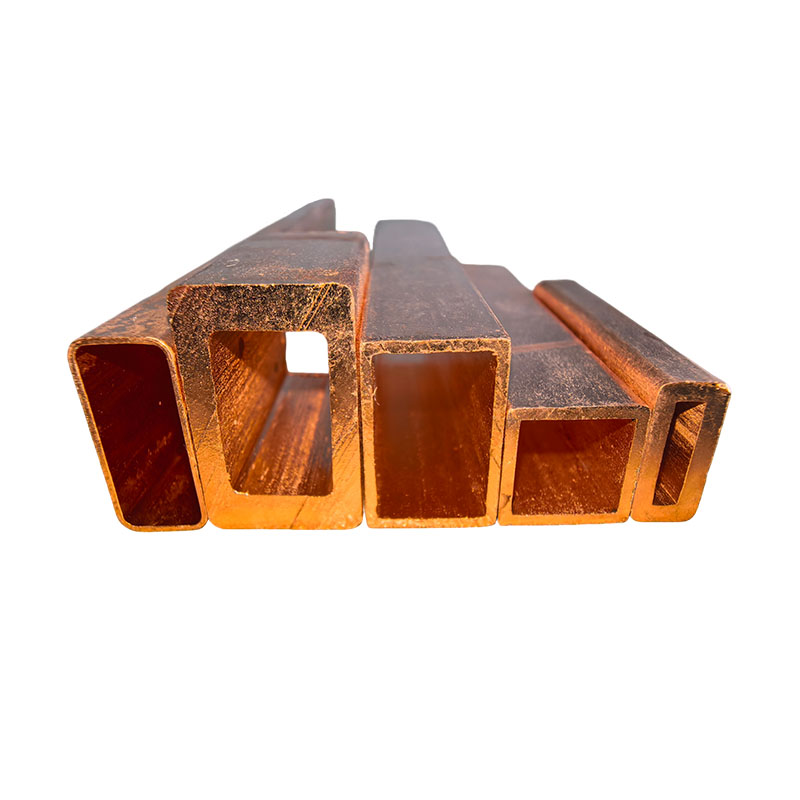
The reliability of electrical conductors in high-power applications is frequently tested by extreme thermal cycling, where temperatures fluctuate rapidly between intense operational heat and ambient cooling. In such demanding environments, the high purity of Porous Oxygen-Free Copper Seamless Conductor serves as the fundamental safeguard for stable electrical performance. This stability is achieved through a combination of superior intrinsic conductivity, exceptional mechanical ductility, and the complete elimination of internal chemical degradation mechanisms.
At the core of this stability is the material's near-perfect atomic lattice. Oxygen-free copper is refined to a purity level of 99.99% or higher, meaning it contains virtually no oxygen or other metallic impurities. In standard copper, trace amounts of oxygen form microscopic copper oxide inclusions at the grain boundaries. These inclusions act as physical barriers that scatter free electrons, increasing electrical resistance. During thermal cycling, the repeated expansion and contraction of the metal can exacerbate these micro-defects, leading to a progressive increase in resistivity and localized hot spots. Because oxygen-free copper lacks these obstructive inclusions, its electrical conductivity remains exceptionally high and stable. Electrons flow unimpeded, ensuring that the conductor's resistance does not drift upward as it endures continuous heating and cooling cycles.
Equally important is the material's outstanding mechanical resilience. Thermal cycling induces severe cyclic mechanical stress within a conductor due to the constant volumetric expansion and contraction. Standard copper containing oxygen is susceptible to a phenomenon known as hydrogen embrittlement. If exposed to reducing atmospheres or hydrogen at elevated temperatures, the internal oxides react to form high-pressure water vapor bubbles, causing internal cracking and catastrophic structural failure. Oxygen-free copper is inherently immune to this "hydrogen disease." Its ultra-high purity and clean grain boundaries grant it superior ductility and fatigue resistance. Instead of developing micro-cracks under thermal stress, the material can safely absorb and accommodate the mechanical strain, maintaining its structural integrity and preventing the formation of high-resistance fracture points.
Furthermore, the high purity of oxygen-free copper ensures excellent thermal conductivity, which works in tandem with its electrical stability. The same free electrons responsible for carrying electrical current are also the primary carriers of heat. A highly pure conductor can rapidly and evenly distribute the intense heat generated by high current densities across its entire surface area and into the surrounding cooling infrastructure. This rapid heat dissipation prevents the formation of localized thermal gradients within the conductor. By avoiding severe internal temperature differentials, the material experiences a more uniform thermal expansion, which drastically reduces the internal shear stresses that typically degrade lesser materials over time.
Ultimately, the stable electrical performance of Porous Oxygen-Free Copper Seamless Conductor under extreme thermal cycling is a direct result of its pristine metallurgical structure. By eliminating the microscopic impurities and oxides that cause electrical resistance, mechanical brittleness, and internal degradation, high-purity copper provides a flawless pathway for both electrons and heat. This ensures that critical infrastructure, from new energy electrical systems to high-end busbar trunking, can operate safely and efficiently for decades, completely unyielding to the relentless physical demands of extreme temperature variations.