


In what ways do custom oxygen-free copper seamless conductors improve thermal management and heat dissipation in high-power electronic systems?
Release Time : 2026-08-18
The relentless advancement of high-power electronic systems, from artificial intelligence computing centers to next-generation electric vehicles, has pushed thermal management to the forefront of engineering challenges. As device footprints shrink and power densities skyrocket, the ability to efficiently dissipate heat has become the primary bottleneck for system reliability and performance. Custom oxygen-free copper seamless conductors have emerged as a premier material solution to this crisis, offering unparalleled thermal management capabilities driven by their extreme purity, flawless structural integrity, and bespoke geometric designs.
The foundation of the superior heat dissipation performance of custom oxygen-free copper seamless conductors lies in their exceptional thermal conductivity. Oxygen-free copper, such as the C10100 grade, boasts a purity level of 99.99% or higher, with oxygen content strictly controlled to mere parts per million. In metallic conduction, heat is primarily carried by free electrons. The presence of oxygen and other impurities acts as scattering centers that impede electron flow, thereby reducing both electrical and thermal conductivity. By eliminating these impurities, oxygen-free copper achieves a thermal conductivity of approximately 391 to 398 W/(m·K), making it one of the most efficient thermal conductors available. This intrinsic property allows the seamless conductor to act as a highly effective thermal highway, rapidly drawing heat away from localized hot spots and distributing it across a broader surface area for dissipation.
Beyond its intrinsic material properties, the seamless manufacturing process is critical to maximizing thermal performance. Traditional manufacturing methods, such as extrusion or welding, often introduce internal defects, grain boundaries, or micro-cracks that create thermal resistance. In contrast, seamless conductors are produced through continuous casting and precision drawing, resulting in a uniform, uninterrupted grain structure. This seamless architecture eliminates internal thermal barriers, ensuring that heat flows through the conductor with minimal resistance. Furthermore, the absence of welds or joints prevents the formation of localized thermal bottlenecks, which are common failure points in high-stress thermal environments.
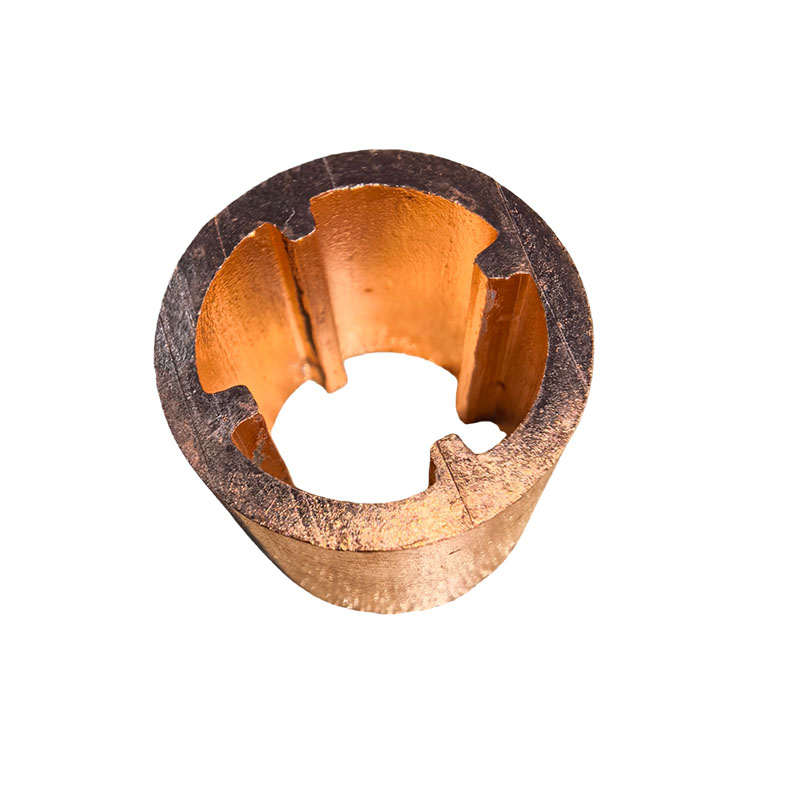
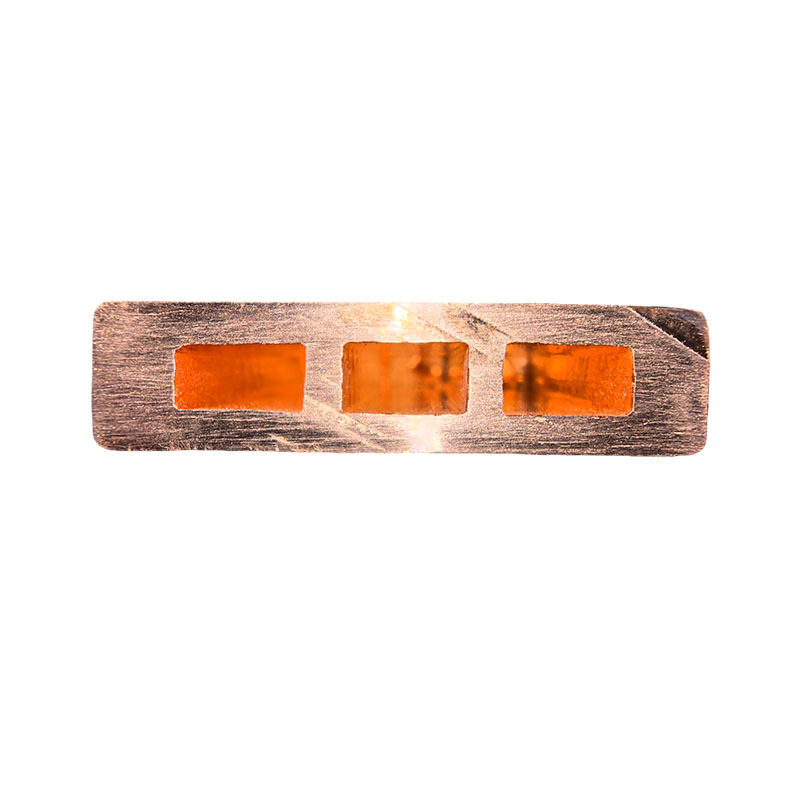
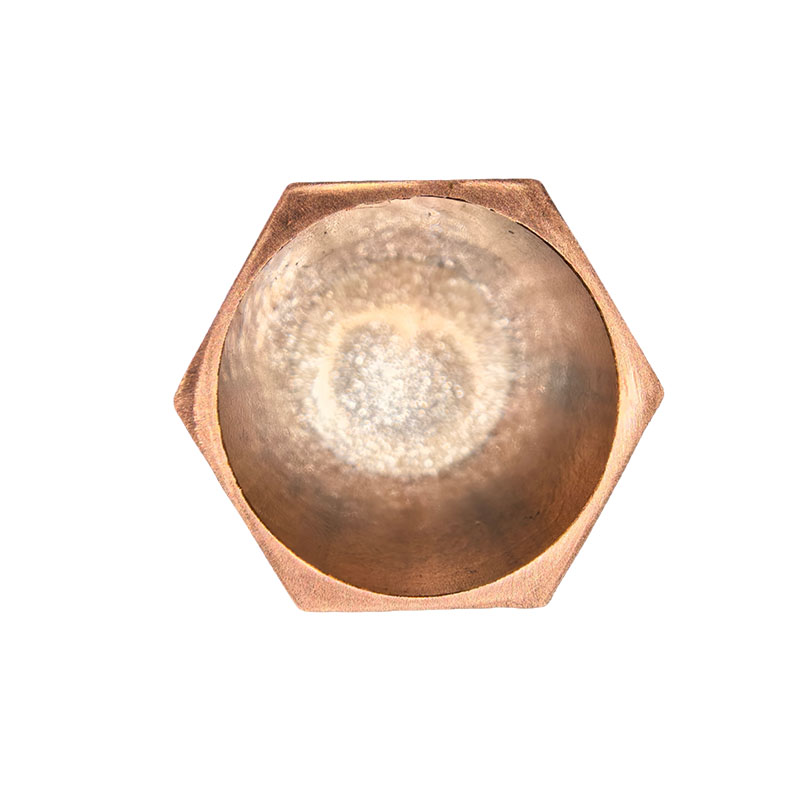
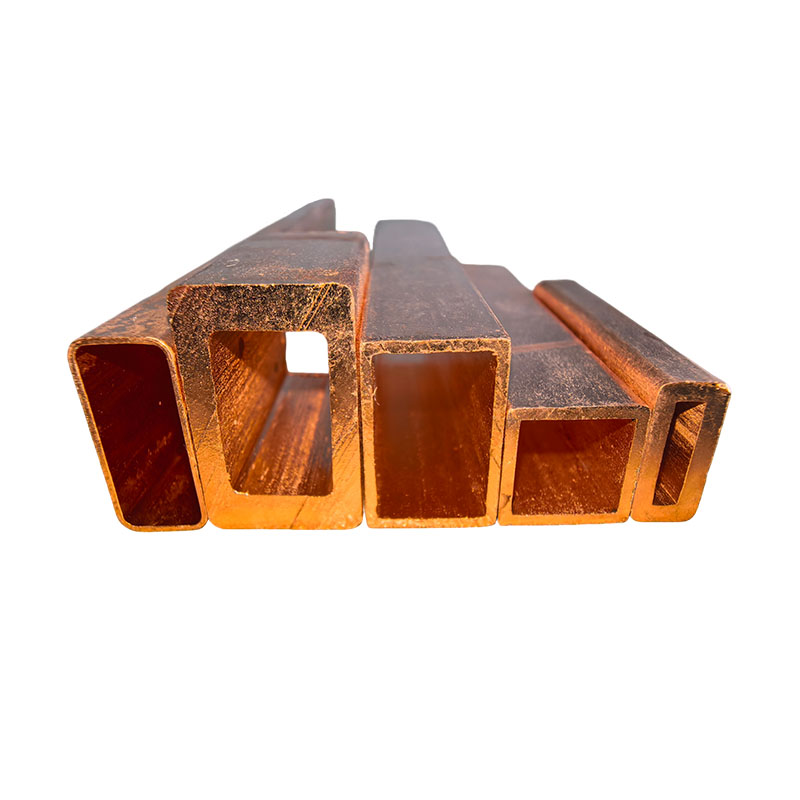
Customization plays an equally vital role in optimizing heat dissipation for specific high-power applications. Off-the-shelf conductors rarely match the exact spatial and thermal requirements of modern electronics. Custom oxygen-free copper seamless conductors can be engineered with specialized internal geometries, such as micro-grooves, rectangular channels, or complex porous structures. These custom internal pathways are designed to maximize the surface area in contact with cooling fluids or to integrate seamlessly with advanced heat pipe technologies. For instance, the internal surfaces of these conductors can be treated or structured to act as highly efficient wicks or capillary channels, enhancing the phase-change heat transfer mechanisms in vapor chambers. This level of geometric customization ensures that the conductor is not just a passive heat spreader, but an active component of a sophisticated thermal management system.
Additionally, the mechanical reliability of seamless oxygen-free copper ensures long-term thermal stability. High-power electronic systems often undergo severe thermal cycling, which can cause materials to expand and contract, leading to mechanical fatigue and delamination. Oxygen-free copper possesses excellent ductility and is inherently resistant to hydrogen embrittlement, meaning it will not degrade or crack when exposed to high temperatures or reducing atmospheres. This durability guarantees that the thermal interface remains intact over the entire lifecycle of the electronic device, preventing the gradual degradation of cooling performance.
Ultimately, custom oxygen-free copper seamless conductors represent a holistic approach to thermal management. By combining the ultimate thermal conductivity of ultra-high-purity copper with the uninterrupted heat flow of seamless manufacturing and the application-specific optimization of custom geometries, these conductors provide an unmatched solution for high-power electronics. They empower engineers to safely push the boundaries of power density, ensuring that the next generation of high-performance computing and power electronics can operate at peak efficiency without succumbing to thermal failure.
The foundation of the superior heat dissipation performance of custom oxygen-free copper seamless conductors lies in their exceptional thermal conductivity. Oxygen-free copper, such as the C10100 grade, boasts a purity level of 99.99% or higher, with oxygen content strictly controlled to mere parts per million. In metallic conduction, heat is primarily carried by free electrons. The presence of oxygen and other impurities acts as scattering centers that impede electron flow, thereby reducing both electrical and thermal conductivity. By eliminating these impurities, oxygen-free copper achieves a thermal conductivity of approximately 391 to 398 W/(m·K), making it one of the most efficient thermal conductors available. This intrinsic property allows the seamless conductor to act as a highly effective thermal highway, rapidly drawing heat away from localized hot spots and distributing it across a broader surface area for dissipation.
Beyond its intrinsic material properties, the seamless manufacturing process is critical to maximizing thermal performance. Traditional manufacturing methods, such as extrusion or welding, often introduce internal defects, grain boundaries, or micro-cracks that create thermal resistance. In contrast, seamless conductors are produced through continuous casting and precision drawing, resulting in a uniform, uninterrupted grain structure. This seamless architecture eliminates internal thermal barriers, ensuring that heat flows through the conductor with minimal resistance. Furthermore, the absence of welds or joints prevents the formation of localized thermal bottlenecks, which are common failure points in high-stress thermal environments.
Customization plays an equally vital role in optimizing heat dissipation for specific high-power applications. Off-the-shelf conductors rarely match the exact spatial and thermal requirements of modern electronics. Custom oxygen-free copper seamless conductors can be engineered with specialized internal geometries, such as micro-grooves, rectangular channels, or complex porous structures. These custom internal pathways are designed to maximize the surface area in contact with cooling fluids or to integrate seamlessly with advanced heat pipe technologies. For instance, the internal surfaces of these conductors can be treated or structured to act as highly efficient wicks or capillary channels, enhancing the phase-change heat transfer mechanisms in vapor chambers. This level of geometric customization ensures that the conductor is not just a passive heat spreader, but an active component of a sophisticated thermal management system.
Additionally, the mechanical reliability of seamless oxygen-free copper ensures long-term thermal stability. High-power electronic systems often undergo severe thermal cycling, which can cause materials to expand and contract, leading to mechanical fatigue and delamination. Oxygen-free copper possesses excellent ductility and is inherently resistant to hydrogen embrittlement, meaning it will not degrade or crack when exposed to high temperatures or reducing atmospheres. This durability guarantees that the thermal interface remains intact over the entire lifecycle of the electronic device, preventing the gradual degradation of cooling performance.
Ultimately, custom oxygen-free copper seamless conductors represent a holistic approach to thermal management. By combining the ultimate thermal conductivity of ultra-high-purity copper with the uninterrupted heat flow of seamless manufacturing and the application-specific optimization of custom geometries, these conductors provide an unmatched solution for high-power electronics. They empower engineers to safely push the boundaries of power density, ensuring that the next generation of high-performance computing and power electronics can operate at peak efficiency without succumbing to thermal failure.