


How does porous oxygen-free copper achieve efficient heat dissipation?
Release Time : 2026-05-14
In the rapidly evolving landscape of high-power electronics and new energy systems, managing thermal energy has become one of the most critical engineering challenges. As devices shrink in size while their power output skyrockets, the demand for materials that can rapidly dissipate heat has never been greater. Porous oxygen-free copper has emerged as a revolutionary solution to this problem. By combining the intrinsic thermal properties of high-purity copper with an innovative porous architecture, this advanced material achieves highly efficient heat dissipation through a sophisticated interplay of superior thermal conductivity, expanded surface area, and enhanced fluid dynamics.
The foundation of porous oxygen-free copper's thermal performance lies in the exceptional properties of its base material. Oxygen-free copper is renowned for its extremely high thermal conductivity, often exceeding 400 W/(m·K). This remarkable capability stems from its highly pure face-centered cubic crystal lattice, which allows free electrons to move with minimal obstruction. In thermal management, these free electrons act as highly efficient carriers, rapidly transporting heat away from the source. Unlike standard copper alloys where impurities and oxygen content can disrupt the lattice and scatter electrons, the high purity of oxygen-free copper ensures that heat is conducted away from sensitive components almost instantaneously, preventing dangerous hotspots from forming.
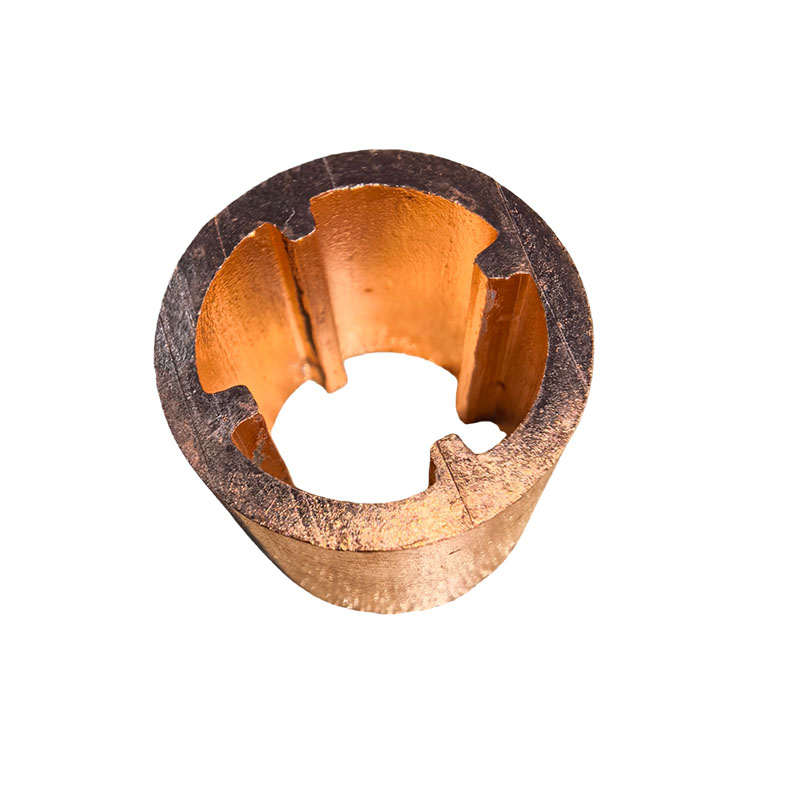
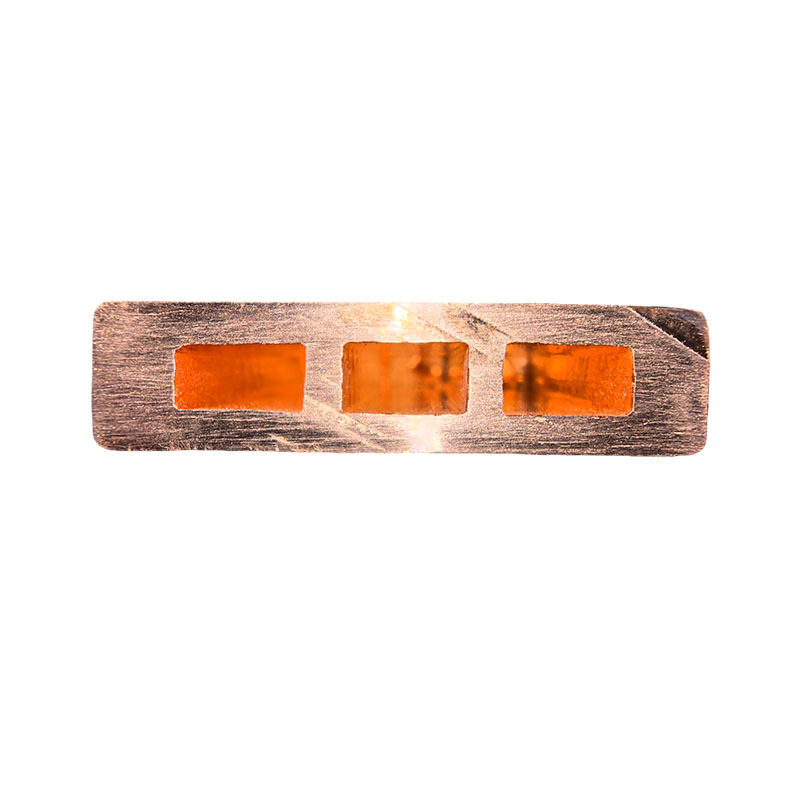
While the base material provides the pathway for heat transfer, the porous structure dramatically amplifies the cooling effect by maximizing the surface area available for heat exchange. A solid block of copper can only dissipate heat from its external surface, but a porous conductor introduces a complex network of internal channels and voids. This multi-hole structure effectively turns the conductor into a three-dimensional heat exchanger. The vast increase in surface area allows for much more effective interaction with cooling mediums, whether it is ambient air or a circulating liquid coolant. This structural design ensures that heat is not just conducted away, but actively released into the surrounding environment at a significantly accelerated rate.
In applications involving liquid cooling or two-phase cooling, the porous nature of the copper unlocks even more powerful thermal mechanisms. The microscopic pores and channels within the conductor act as capillary structures that facilitate the rapid wicking and circulation of coolant. This capillary action ensures a continuous supply of fresh, cool fluid directly to the heated areas. Furthermore, the pores serve as ideal nucleation sites for boiling heat transfer. When the conductor gets hot, the porous surface encourages the formation of vapor bubbles which then detach and carry massive amounts of latent heat away from the surface. This process, known as nucleate boiling, is far more efficient at removing heat than simple convection, allowing the system to handle extreme heat fluxes without overheating.
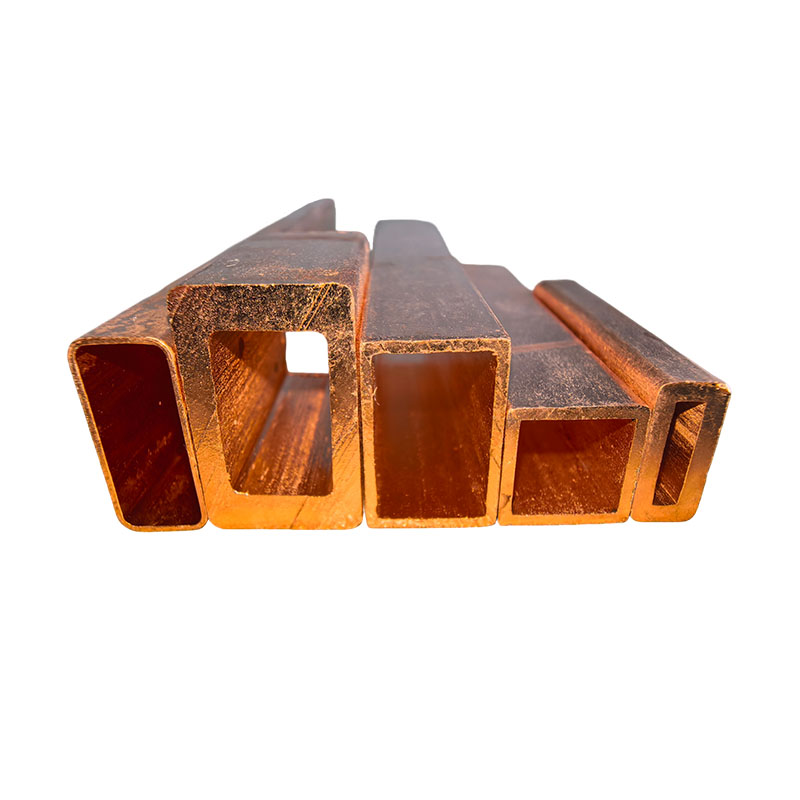
The manufacturing process of seamless cold-drawing further enhances these thermal benefits by ensuring structural integrity and optimal material density. The seamless nature of the conductor eliminates weak points such as welds or joints, which can often act as thermal barriers. By maintaining a continuous, uniform grain structure throughout the conductor, heat flows smoothly along the entire length of the material without interruption. This seamless integration of high conductivity and structural perfection ensures that the thermal resistance is kept to an absolute minimum.
In conclusion, porous oxygen-free copper achieves efficient heat dissipation by synergizing the unmatched electron mobility of pure copper with the geometric advantages of a porous design. Through the combination of rapid internal heat conduction, vastly expanded surface area for cooling, and advanced capillary and boiling mechanisms, this material provides a robust solution for the most demanding thermal management applications. As the world moves toward higher power densities in electric vehicles and high-end electrical equipment, porous oxygen-free copper stands as a testament to how material science and structural engineering can converge to solve the critical issue of heat.
The foundation of porous oxygen-free copper's thermal performance lies in the exceptional properties of its base material. Oxygen-free copper is renowned for its extremely high thermal conductivity, often exceeding 400 W/(m·K). This remarkable capability stems from its highly pure face-centered cubic crystal lattice, which allows free electrons to move with minimal obstruction. In thermal management, these free electrons act as highly efficient carriers, rapidly transporting heat away from the source. Unlike standard copper alloys where impurities and oxygen content can disrupt the lattice and scatter electrons, the high purity of oxygen-free copper ensures that heat is conducted away from sensitive components almost instantaneously, preventing dangerous hotspots from forming.
While the base material provides the pathway for heat transfer, the porous structure dramatically amplifies the cooling effect by maximizing the surface area available for heat exchange. A solid block of copper can only dissipate heat from its external surface, but a porous conductor introduces a complex network of internal channels and voids. This multi-hole structure effectively turns the conductor into a three-dimensional heat exchanger. The vast increase in surface area allows for much more effective interaction with cooling mediums, whether it is ambient air or a circulating liquid coolant. This structural design ensures that heat is not just conducted away, but actively released into the surrounding environment at a significantly accelerated rate.
In applications involving liquid cooling or two-phase cooling, the porous nature of the copper unlocks even more powerful thermal mechanisms. The microscopic pores and channels within the conductor act as capillary structures that facilitate the rapid wicking and circulation of coolant. This capillary action ensures a continuous supply of fresh, cool fluid directly to the heated areas. Furthermore, the pores serve as ideal nucleation sites for boiling heat transfer. When the conductor gets hot, the porous surface encourages the formation of vapor bubbles which then detach and carry massive amounts of latent heat away from the surface. This process, known as nucleate boiling, is far more efficient at removing heat than simple convection, allowing the system to handle extreme heat fluxes without overheating.
The manufacturing process of seamless cold-drawing further enhances these thermal benefits by ensuring structural integrity and optimal material density. The seamless nature of the conductor eliminates weak points such as welds or joints, which can often act as thermal barriers. By maintaining a continuous, uniform grain structure throughout the conductor, heat flows smoothly along the entire length of the material without interruption. This seamless integration of high conductivity and structural perfection ensures that the thermal resistance is kept to an absolute minimum.
In conclusion, porous oxygen-free copper achieves efficient heat dissipation by synergizing the unmatched electron mobility of pure copper with the geometric advantages of a porous design. Through the combination of rapid internal heat conduction, vastly expanded surface area for cooling, and advanced capillary and boiling mechanisms, this material provides a robust solution for the most demanding thermal management applications. As the world moves toward higher power densities in electric vehicles and high-end electrical equipment, porous oxygen-free copper stands as a testament to how material science and structural engineering can converge to solve the critical issue of heat.