


How to improve the thermal stability and reduce conductor performance degradation of porous oxygen-free copper seamless conductors under high-temperature operating conditions?
Release Time : 2026-05-22
In new energy power systems, high-end busbar trunking, and high-power electrical equipment, porous oxygen-free copper seamless conductors are widely used in high-load power transmission scenarios due to their excellent conductivity, high current carrying capacity, and good heat dissipation characteristics. Especially under high-temperature operating conditions, equipment often needs to withstand large currents and continuous heat accumulation for extended periods. If the conductor's thermal stability is insufficient, problems such as increased resistance, material softening, and even performance degradation can easily occur, affecting the safety and operational efficiency of the entire system.
1. Enhancing Thermal Stability by Improving Oxygen-Free Copper Purity
The properties of the conductor material itself are a key factor determining thermal stability. If the copper material contains a large amount of impurities or oxides, localized resistance points are easily formed under high-temperature environments, leading to increased heat generation. Therefore, improving the purity of oxygen-free copper is crucial. Currently, high-performance porous oxygen-free copper conductors typically use high-purity oxygen-free copper materials, improving overall conductivity and thermal conductivity by strictly controlling the oxygen content and impurity ratio. Meanwhile, high-purity oxygen-free copper can reduce grain boundary oxidation problems, maintaining a more stable metal structure during long-term high-temperature operation, thereby reducing the risk of performance degradation. Furthermore, optimizing the cold-drawing process can improve the uniformity of the conductor's internal structure, making heat conduction more stable.
2. Optimizing Porous Structure to Improve Heat Dissipation Efficiency
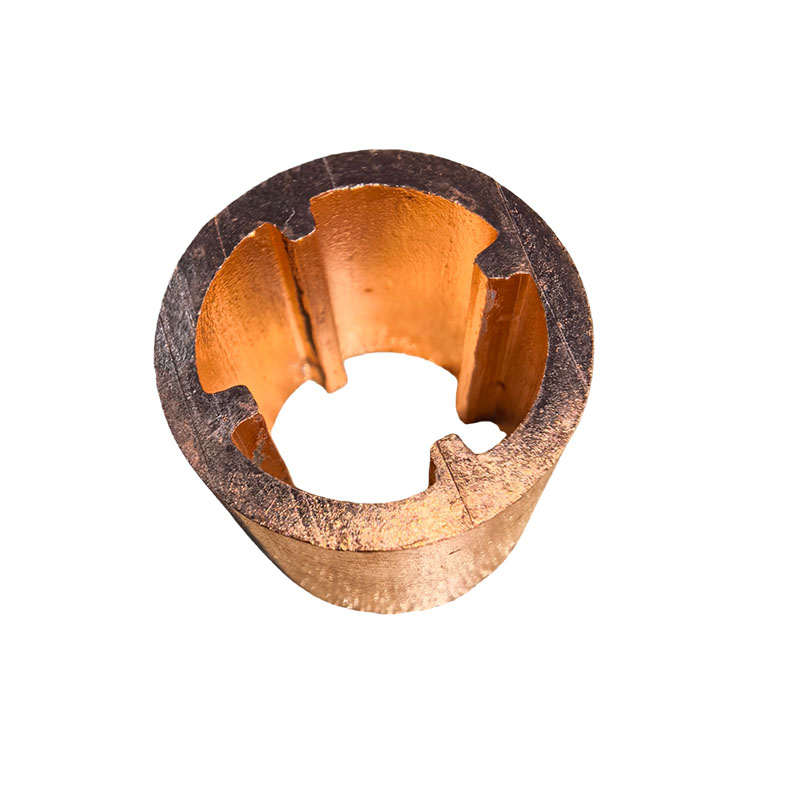
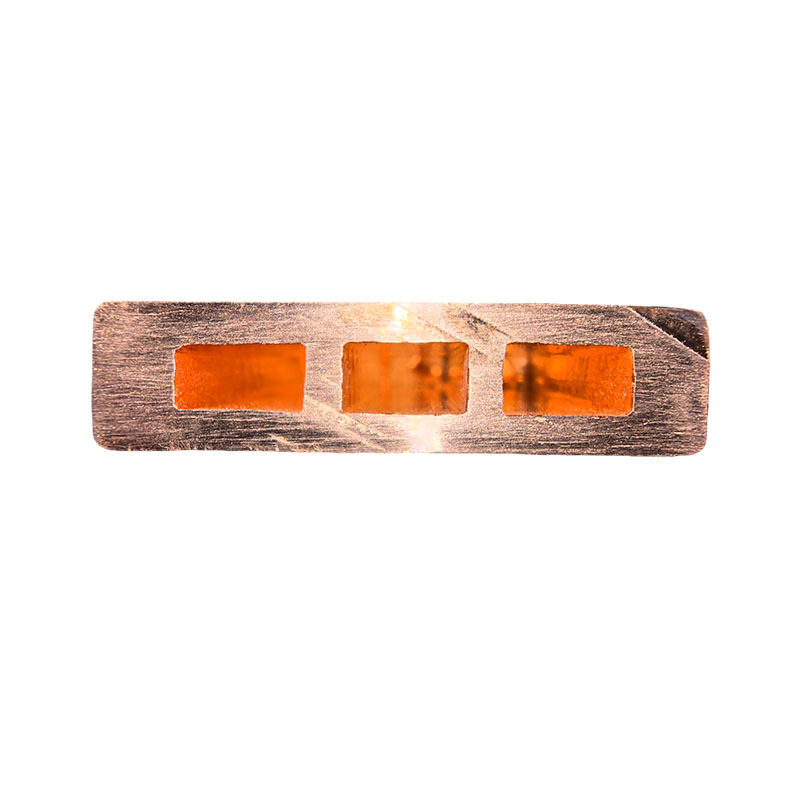
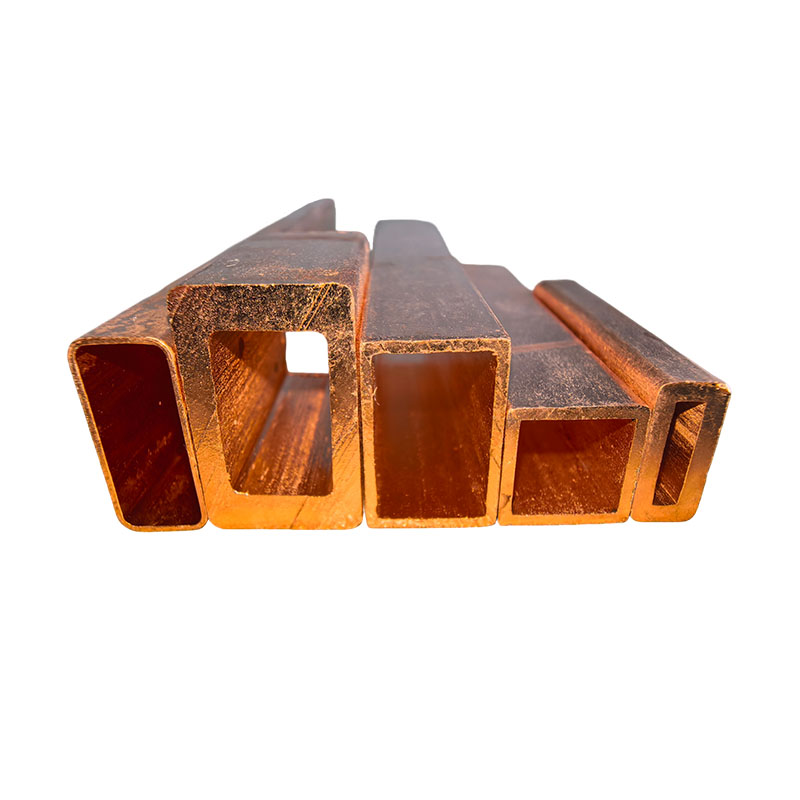
Porous structure is an important characteristic of this type of conductor, not only reducing weight but also improving heat dissipation. However, if the channel layout is unreasonable, it may lead to localized heat accumulation. Therefore, optimizing the porous structure design is crucial. Currently, many high-end conductors use a uniformly distributed through-hole structure, allowing air or cooling media to circulate more efficiently, thereby accelerating heat dissipation. At the same time, optimizing the pore size and arrangement can also reduce current concentration and lower the risk of localized overheating. In addition, some high-power devices combine liquid cooling or air cooling systems to ensure the conductor maintains a stable temperature under continuous high-temperature operation.
3. Enhancing Surface Protection to Reduce the Impact of High-Temperature Oxidation
In high-temperature operating conditions, the conductor surface is prone to oxidation reaction with air, leading to increased contact resistance and affecting overall conductivity. Therefore, strengthening surface protection is equally important. Currently, porous oxygen-free copper seamless conductors are typically treated with tin plating, silver plating, or special anti-oxidation coatings to reduce oxidation and corrosion in high-temperature environments. Silver plating not only improves surface conductivity but also enhances high-temperature stability. Furthermore, optimizing surface finish reduces impurity adhesion and heat accumulation, further slowing performance degradation.
4. Improving Connection Stability and Reducing Thermal Stress Loss
Under high-temperature and high-current operating conditions, conductor connections are more prone to thermal stress and contact loss. Unstable connection structures can easily lead to excessive localized temperature rises or even ablation. Therefore, improving connection stability is crucial. Currently, many high-end power systems employ high-precision crimping or welding processes to increase the tightness of conductor connections, thereby reducing contact resistance. Simultaneously, using high-temperature resistant connection materials and elastic compensation structures can reduce stress changes caused by thermal expansion and contraction. In addition, smart power systems incorporate temperature monitoring and thermal management modules to achieve real-time monitoring of conductor operating conditions, thereby identifying potential risks early.
To achieve good thermal stability and reduce performance degradation in high-temperature operating conditions, porous oxygen-free copper seamless conductors require comprehensive optimization in multiple aspects, including material purity, heat dissipation structure, surface protection, and connection stability. By improving thermal conductivity, enhancing heat dissipation efficiency, reducing the impact of oxidation, and improving connection reliability, the long-term operational stability of the conductor under high-load environments can be effectively improved, providing safer and more efficient power transmission guarantees for new energy and high-power electrical systems.
1. Enhancing Thermal Stability by Improving Oxygen-Free Copper Purity
The properties of the conductor material itself are a key factor determining thermal stability. If the copper material contains a large amount of impurities or oxides, localized resistance points are easily formed under high-temperature environments, leading to increased heat generation. Therefore, improving the purity of oxygen-free copper is crucial. Currently, high-performance porous oxygen-free copper conductors typically use high-purity oxygen-free copper materials, improving overall conductivity and thermal conductivity by strictly controlling the oxygen content and impurity ratio. Meanwhile, high-purity oxygen-free copper can reduce grain boundary oxidation problems, maintaining a more stable metal structure during long-term high-temperature operation, thereby reducing the risk of performance degradation. Furthermore, optimizing the cold-drawing process can improve the uniformity of the conductor's internal structure, making heat conduction more stable.
2. Optimizing Porous Structure to Improve Heat Dissipation Efficiency
Porous structure is an important characteristic of this type of conductor, not only reducing weight but also improving heat dissipation. However, if the channel layout is unreasonable, it may lead to localized heat accumulation. Therefore, optimizing the porous structure design is crucial. Currently, many high-end conductors use a uniformly distributed through-hole structure, allowing air or cooling media to circulate more efficiently, thereby accelerating heat dissipation. At the same time, optimizing the pore size and arrangement can also reduce current concentration and lower the risk of localized overheating. In addition, some high-power devices combine liquid cooling or air cooling systems to ensure the conductor maintains a stable temperature under continuous high-temperature operation.
3. Enhancing Surface Protection to Reduce the Impact of High-Temperature Oxidation
In high-temperature operating conditions, the conductor surface is prone to oxidation reaction with air, leading to increased contact resistance and affecting overall conductivity. Therefore, strengthening surface protection is equally important. Currently, porous oxygen-free copper seamless conductors are typically treated with tin plating, silver plating, or special anti-oxidation coatings to reduce oxidation and corrosion in high-temperature environments. Silver plating not only improves surface conductivity but also enhances high-temperature stability. Furthermore, optimizing surface finish reduces impurity adhesion and heat accumulation, further slowing performance degradation.
4. Improving Connection Stability and Reducing Thermal Stress Loss
Under high-temperature and high-current operating conditions, conductor connections are more prone to thermal stress and contact loss. Unstable connection structures can easily lead to excessive localized temperature rises or even ablation. Therefore, improving connection stability is crucial. Currently, many high-end power systems employ high-precision crimping or welding processes to increase the tightness of conductor connections, thereby reducing contact resistance. Simultaneously, using high-temperature resistant connection materials and elastic compensation structures can reduce stress changes caused by thermal expansion and contraction. In addition, smart power systems incorporate temperature monitoring and thermal management modules to achieve real-time monitoring of conductor operating conditions, thereby identifying potential risks early.
To achieve good thermal stability and reduce performance degradation in high-temperature operating conditions, porous oxygen-free copper seamless conductors require comprehensive optimization in multiple aspects, including material purity, heat dissipation structure, surface protection, and connection stability. By improving thermal conductivity, enhancing heat dissipation efficiency, reducing the impact of oxidation, and improving connection reliability, the long-term operational stability of the conductor under high-load environments can be effectively improved, providing safer and more efficient power transmission guarantees for new energy and high-power electrical systems.