


How does Porous Oxygen-Free Copper Seamless Conductor dissipate heat?
Release Time : 2026-06-19
The thermal management of high-power electrical equipment and new energy systems is a critical engineering challenge. As current densities increase and electronic components become more compact, traditional solid conductors often struggle to dissipate the immense heat generated during operation. The Porous Oxygen-Free Copper Seamless Conductor represents a revolutionary leap in electrical engineering, specifically designed to overcome these thermal bottlenecks. By combining the intrinsic thermal properties of ultra-pure copper with a revolutionary porous architecture, this advanced conductor achieves highly efficient heat dissipation, ensuring the reliability and longevity of high-current transmission systems.
The foundation of the conductor's exceptional thermal performance lies in the superior material characteristics of oxygen-free copper. Manufactured through seamless cold-drawing technology, this copper boasts a purity level exceeding 99.95% and an extremely low oxygen content. The absence of oxygen and impurities eliminates microscopic defects and grain boundaries that typically scatter electrons and phonons (heat-carrying particles). Consequently, the material exhibits an exceptionally high thermal conductivity, often exceeding 390 W/(m·K). This intrinsic property allows heat generated by electrical resistance to be rapidly transferred away from the core of the conductor and distributed evenly across its entire surface area, preventing localized hot spots that can degrade insulation or cause structural failure.
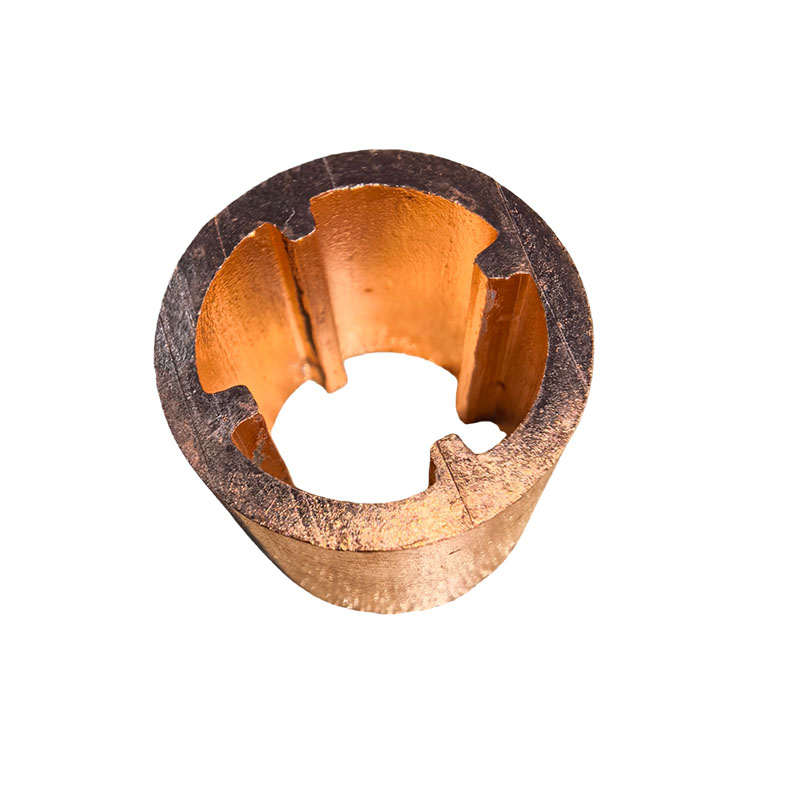
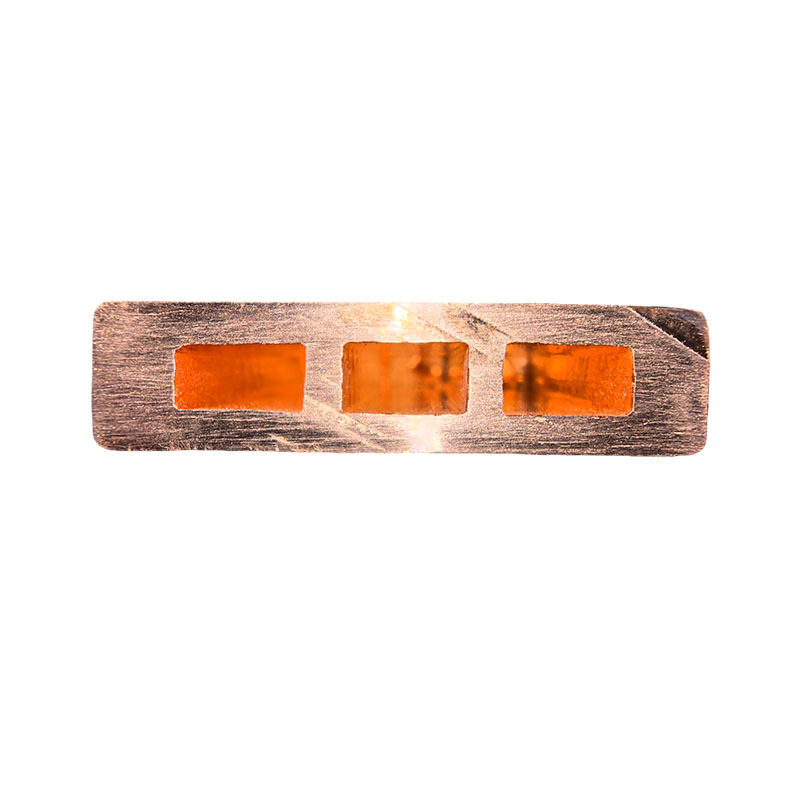
Beyond the base material, the most significant innovation in heat dissipation is the conductor's porous structural design. Unlike traditional solid conductors, this seamless product is engineered with multiple independent through-holes. This porous architecture dramatically increases the surface-area-to-volume ratio of the conductor. In thermodynamics, heat dissipation is directly proportional to the available surface area exposed to the surrounding cooling medium, whether it is air or a liquid coolant. The internal and external pores act as an expansive network of heat exchange surfaces, allowing thermal energy to be released into the environment much faster than a solid block of copper could achieve.
Furthermore, the porous structure actively facilitates advanced two-phase cooling mechanisms. When utilized in high-end busbar trunking or liquid-cooled electrical systems, the independent through-holes serve as micro-channels for coolant flow or as nucleation sites for boiling. The microscopic pores provide ideal locations for vapor bubbles to form and detach during pool boiling or flow boiling. This continuous cycle of bubble formation and departure extracts massive amounts of latent heat from the conductor's surface. Even in air-cooled applications, the porous network enhances natural convection by allowing air to flow through the conductor itself, rather than just passing over its exterior, thereby maximizing convective heat transfer.
The seamless cold-drawing manufacturing process also plays a vital role in maintaining thermal efficiency. Traditional methods of creating porous metals, such as sintering, can sometimes introduce thermal resistance at the particle boundaries. However, the seamless cold-drawing technology ensures that the porous oxygen-free copper maintains a continuous, unified crystalline structure. This seamless integration guarantees that there are no thermal barriers within the material, allowing heat to flow unimpeded from the high-current-density core to the outer cooling surfaces.
Additionally, the porous design contributes to a lightweight structure, which indirectly supports thermal management by reducing the overall thermal mass of the electrical system. A lighter conductor requires less energy to heat up and can respond more quickly to cooling inputs. Combined with the high electrical conductivity of oxygen-free copper, which inherently reduces the amount of resistive heat generated in the first place, the conductor operates at a lower baseline temperature.
Ultimately, the Porous Oxygen-Free Copper Seamless Conductor dissipates heat through a synergistic combination of ultra-pure material science and advanced geometric engineering. By leveraging the unmatched thermal conductivity of oxygen-free copper and multiplying the cooling surface area through a precisely engineered porous structure, it provides an unparalleled thermal management solution for modern high-power electrical applications.
The foundation of the conductor's exceptional thermal performance lies in the superior material characteristics of oxygen-free copper. Manufactured through seamless cold-drawing technology, this copper boasts a purity level exceeding 99.95% and an extremely low oxygen content. The absence of oxygen and impurities eliminates microscopic defects and grain boundaries that typically scatter electrons and phonons (heat-carrying particles). Consequently, the material exhibits an exceptionally high thermal conductivity, often exceeding 390 W/(m·K). This intrinsic property allows heat generated by electrical resistance to be rapidly transferred away from the core of the conductor and distributed evenly across its entire surface area, preventing localized hot spots that can degrade insulation or cause structural failure.
Beyond the base material, the most significant innovation in heat dissipation is the conductor's porous structural design. Unlike traditional solid conductors, this seamless product is engineered with multiple independent through-holes. This porous architecture dramatically increases the surface-area-to-volume ratio of the conductor. In thermodynamics, heat dissipation is directly proportional to the available surface area exposed to the surrounding cooling medium, whether it is air or a liquid coolant. The internal and external pores act as an expansive network of heat exchange surfaces, allowing thermal energy to be released into the environment much faster than a solid block of copper could achieve.
Furthermore, the porous structure actively facilitates advanced two-phase cooling mechanisms. When utilized in high-end busbar trunking or liquid-cooled electrical systems, the independent through-holes serve as micro-channels for coolant flow or as nucleation sites for boiling. The microscopic pores provide ideal locations for vapor bubbles to form and detach during pool boiling or flow boiling. This continuous cycle of bubble formation and departure extracts massive amounts of latent heat from the conductor's surface. Even in air-cooled applications, the porous network enhances natural convection by allowing air to flow through the conductor itself, rather than just passing over its exterior, thereby maximizing convective heat transfer.
The seamless cold-drawing manufacturing process also plays a vital role in maintaining thermal efficiency. Traditional methods of creating porous metals, such as sintering, can sometimes introduce thermal resistance at the particle boundaries. However, the seamless cold-drawing technology ensures that the porous oxygen-free copper maintains a continuous, unified crystalline structure. This seamless integration guarantees that there are no thermal barriers within the material, allowing heat to flow unimpeded from the high-current-density core to the outer cooling surfaces.
Additionally, the porous design contributes to a lightweight structure, which indirectly supports thermal management by reducing the overall thermal mass of the electrical system. A lighter conductor requires less energy to heat up and can respond more quickly to cooling inputs. Combined with the high electrical conductivity of oxygen-free copper, which inherently reduces the amount of resistive heat generated in the first place, the conductor operates at a lower baseline temperature.
Ultimately, the Porous Oxygen-Free Copper Seamless Conductor dissipates heat through a synergistic combination of ultra-pure material science and advanced geometric engineering. By leveraging the unmatched thermal conductivity of oxygen-free copper and multiplying the cooling surface area through a precisely engineered porous structure, it provides an unparalleled thermal management solution for modern high-power electrical applications.