


How does Porous Oxygen-Free Copper Seamless Conductor optimize heat dissipation?
Release Time : 2026-06-12
In the realm of modern electrical engineering and high-power electronics, managing thermal energy is as critical as conducting electrical current. As devices become more compact and operate at higher power densities, traditional solid conductors often struggle to dissipate the immense heat generated by high current loads. The Porous Oxygen-Free Copper Seamless Conductor has emerged as a revolutionary solution to this challenge, utilizing a unique combination of advanced material science and innovative geometric design to dramatically optimize heat dissipation.
The foundation of this conductor's superior thermal performance lies in its base material: oxygen-free copper. Standard copper contains trace amounts of oxygen, which can form microscopic oxides and voids within the metal's crystalline structure. These impurities act as thermal barriers, scattering phonons (the primary carriers of heat in metals) and reducing overall thermal conductivity. Oxygen-free copper, refined to a purity of 99.95% or higher, eliminates these obstacles. The resulting pristine, uniform crystal lattice allows thermal energy to flow through the material with minimal resistance. This exceptionally high thermal conductivity ensures that heat generated at the core of the conductor is rapidly transferred to its outer surfaces, preventing dangerous internal hotspots and maintaining the structural integrity of the electrical system.
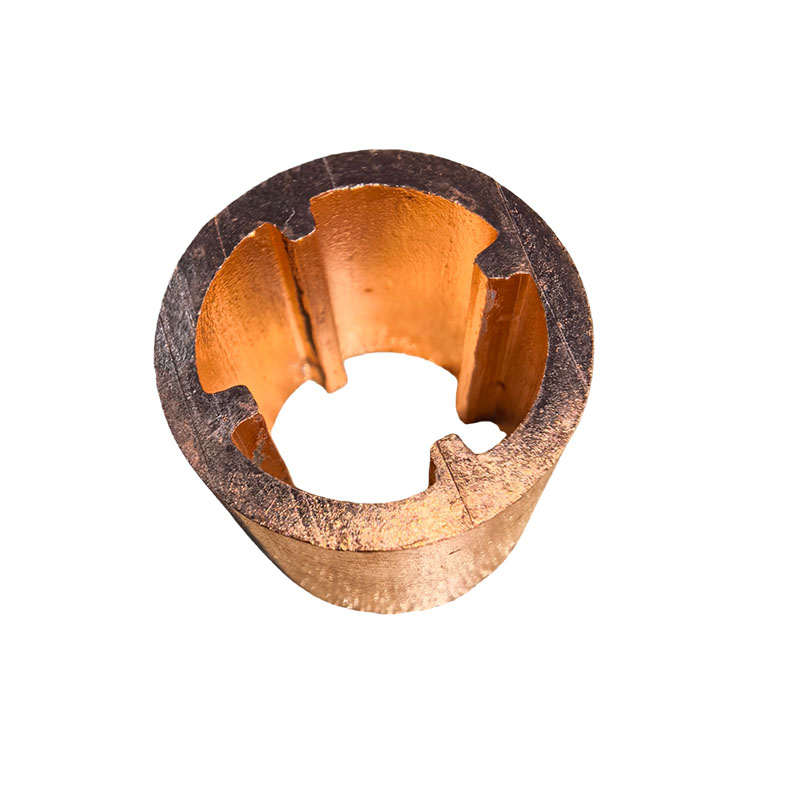
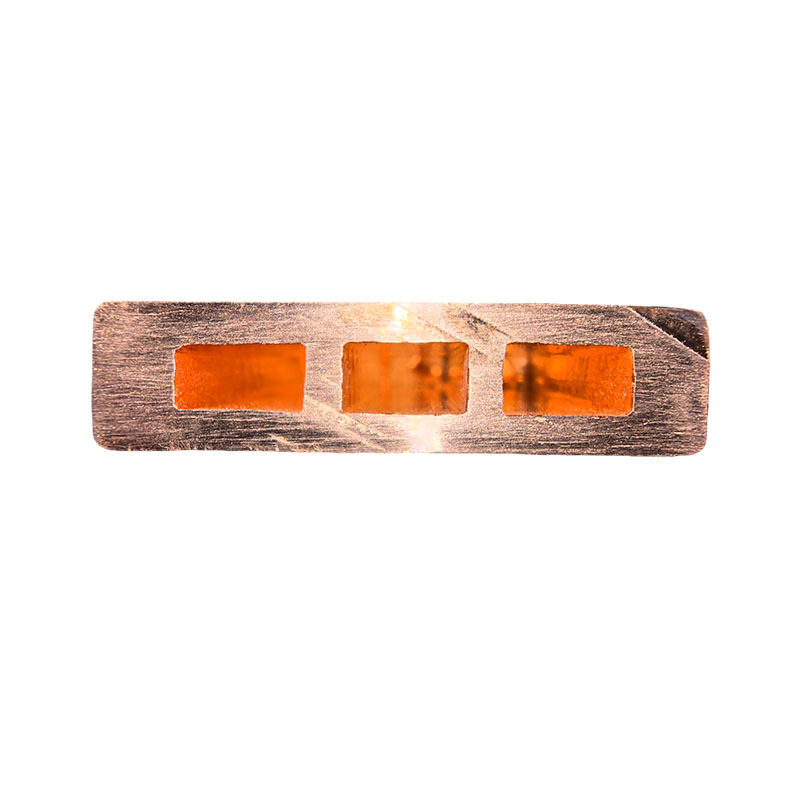
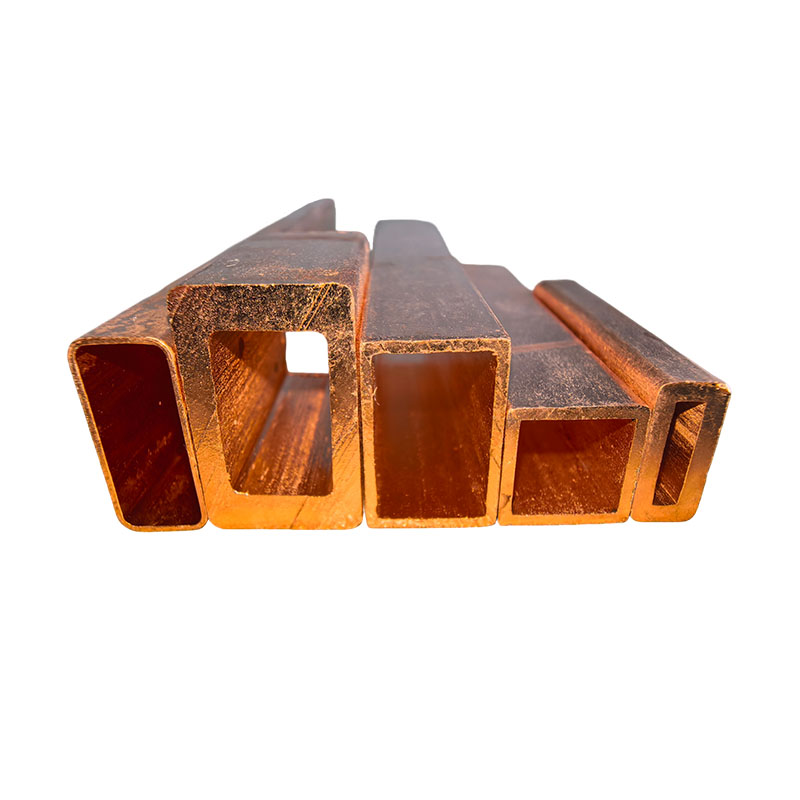
Beyond the intrinsic thermal properties of the material, the conductor's geometric design plays an equally vital role in optimizing heat dissipation. Unlike solid cylindrical or rectangular busbars, the porous conductor features multiple independent through-holes. This intentional porosity fundamentally transforms the thermal dynamics of the component. The primary advantage of these internal channels is a massive increase in the surface-area-to-volume ratio. Heat dissipation is directly proportional to the surface area available for thermal exchange. By introducing multiple through-holes, the conductor exposes significantly more internal copper surface to the surrounding environment, whether it be ambient air or a liquid coolant. This expanded surface area allows thermal energy to be rejected into the environment much faster than a solid conductor of the same outer dimensions.
Furthermore, these independent through-holes serve as highly efficient internal pathways for active cooling mechanisms. In high-end busbar trunking systems and new energy electrical applications, the conductor is often integrated with liquid cooling systems. The porous structure allows coolants to flow directly through the heart of the conductor, absorbing heat at its source. This internal convective cooling is vastly superior to traditional external cooling methods, which must rely on slow thermal conduction through the bulk metal to reach the surface. The seamless cold-drawing technology used to manufacture these conductors ensures that these internal channels maintain precise, smooth geometries without structural defects, preventing fluid turbulence and maximizing the efficiency of the coolant flow.
The seamless cold-drawing manufacturing process also contributes to the structural and thermal reliability of the conductor. Traditional methods of creating porous or hollow copper structures often involve welding or sintering, which can introduce thermal boundary resistances and weak points. The seamless cold-drawing technique forms the conductor and its internal holes as a single, continuous, and unified piece. This monolithic structure guarantees uninterrupted thermal pathways, ensuring that heat travels seamlessly from the inner walls of the through-holes to the outer surface. Additionally, the cold-drawing process work-hardens the copper, increasing its mechanical strength and allowing it to withstand the immense electromagnetic forces generated during high current transmission without deforming.
Ultimately, the Porous Oxygen-Free Copper Seamless Conductor represents a paradigm shift in thermal management for high-power electrical equipment. By synergizing the unmatched thermal conductivity of ultra-pure oxygen-free copper with the enhanced surface area and active cooling capabilities of a multi-hole porous geometry, it achieves highly efficient heat dissipation. This advanced thermal management not only ensures safe and stable high current transmission but also enables a significant reduction in the overall size and weight of electrical systems. As the demand for high-power density in new energy vehicles and advanced power grids continues to grow, this innovative conductor provides the essential thermal foundation required for the next generation of reliable, lightweight, and high-performance electrical infrastructure.
The foundation of this conductor's superior thermal performance lies in its base material: oxygen-free copper. Standard copper contains trace amounts of oxygen, which can form microscopic oxides and voids within the metal's crystalline structure. These impurities act as thermal barriers, scattering phonons (the primary carriers of heat in metals) and reducing overall thermal conductivity. Oxygen-free copper, refined to a purity of 99.95% or higher, eliminates these obstacles. The resulting pristine, uniform crystal lattice allows thermal energy to flow through the material with minimal resistance. This exceptionally high thermal conductivity ensures that heat generated at the core of the conductor is rapidly transferred to its outer surfaces, preventing dangerous internal hotspots and maintaining the structural integrity of the electrical system.
Beyond the intrinsic thermal properties of the material, the conductor's geometric design plays an equally vital role in optimizing heat dissipation. Unlike solid cylindrical or rectangular busbars, the porous conductor features multiple independent through-holes. This intentional porosity fundamentally transforms the thermal dynamics of the component. The primary advantage of these internal channels is a massive increase in the surface-area-to-volume ratio. Heat dissipation is directly proportional to the surface area available for thermal exchange. By introducing multiple through-holes, the conductor exposes significantly more internal copper surface to the surrounding environment, whether it be ambient air or a liquid coolant. This expanded surface area allows thermal energy to be rejected into the environment much faster than a solid conductor of the same outer dimensions.
Furthermore, these independent through-holes serve as highly efficient internal pathways for active cooling mechanisms. In high-end busbar trunking systems and new energy electrical applications, the conductor is often integrated with liquid cooling systems. The porous structure allows coolants to flow directly through the heart of the conductor, absorbing heat at its source. This internal convective cooling is vastly superior to traditional external cooling methods, which must rely on slow thermal conduction through the bulk metal to reach the surface. The seamless cold-drawing technology used to manufacture these conductors ensures that these internal channels maintain precise, smooth geometries without structural defects, preventing fluid turbulence and maximizing the efficiency of the coolant flow.
The seamless cold-drawing manufacturing process also contributes to the structural and thermal reliability of the conductor. Traditional methods of creating porous or hollow copper structures often involve welding or sintering, which can introduce thermal boundary resistances and weak points. The seamless cold-drawing technique forms the conductor and its internal holes as a single, continuous, and unified piece. This monolithic structure guarantees uninterrupted thermal pathways, ensuring that heat travels seamlessly from the inner walls of the through-holes to the outer surface. Additionally, the cold-drawing process work-hardens the copper, increasing its mechanical strength and allowing it to withstand the immense electromagnetic forces generated during high current transmission without deforming.
Ultimately, the Porous Oxygen-Free Copper Seamless Conductor represents a paradigm shift in thermal management for high-power electrical equipment. By synergizing the unmatched thermal conductivity of ultra-pure oxygen-free copper with the enhanced surface area and active cooling capabilities of a multi-hole porous geometry, it achieves highly efficient heat dissipation. This advanced thermal management not only ensures safe and stable high current transmission but also enables a significant reduction in the overall size and weight of electrical systems. As the demand for high-power density in new energy vehicles and advanced power grids continues to grow, this innovative conductor provides the essential thermal foundation required for the next generation of reliable, lightweight, and high-performance electrical infrastructure.