


Why Choose Seamless Oxygen-Free Copper for Busbars?
Release Time : 2026-06-03
The evolution of electrical power distribution has consistently demanded materials that offer higher efficiency, greater safety, and enhanced mechanical reliability. At the heart of this infrastructure lies the busbar, a metallic strip or bar used for local high-current power distribution. While various materials and manufacturing methods exist, the selection of seamless oxygen-free copper represents the pinnacle of engineering for high-performance electrical systems. This choice is driven by the unique convergence of exceptional electrical conductivity, structural integrity provided by seamless manufacturing, and the mechanical versatility required for modern installation environments.
Unmatched Electrical Conductivity and Purity
The primary justification for selecting oxygen-free copper for busbar applications is its superior electrical conductivity. In electrical engineering, the purity of the conductive material is directly proportional to its efficiency. Oxygen-free copper is refined to remove oxygen and other impurities that typically create resistance within the metal lattice. Standard copper contains oxygen, which can form copper oxide inclusions during processing. These inclusions act as barriers to electron flow, increasing electrical resistance and generating unwanted heat.
By utilizing oxygen-free copper, engineers ensure a material with a conductivity rating often exceeding 101% IACS. This high level of purity allows for the transmission of large currents with minimal voltage drop and energy loss. In high-power applications, this efficiency translates to significant operational cost savings and reduced thermal loads on the surrounding infrastructure. The absence of oxygen also eliminates the risk of "hydrogen sickness," a phenomenon where hydrogen atoms diffuse into the copper at high temperatures and react with oxygen to form steam pockets, which can cause micro-cracking and embrittlement. Therefore, oxygen-free copper maintains its structural and electrical integrity even under thermal stress.
The Structural Integrity of Seamless Manufacturing
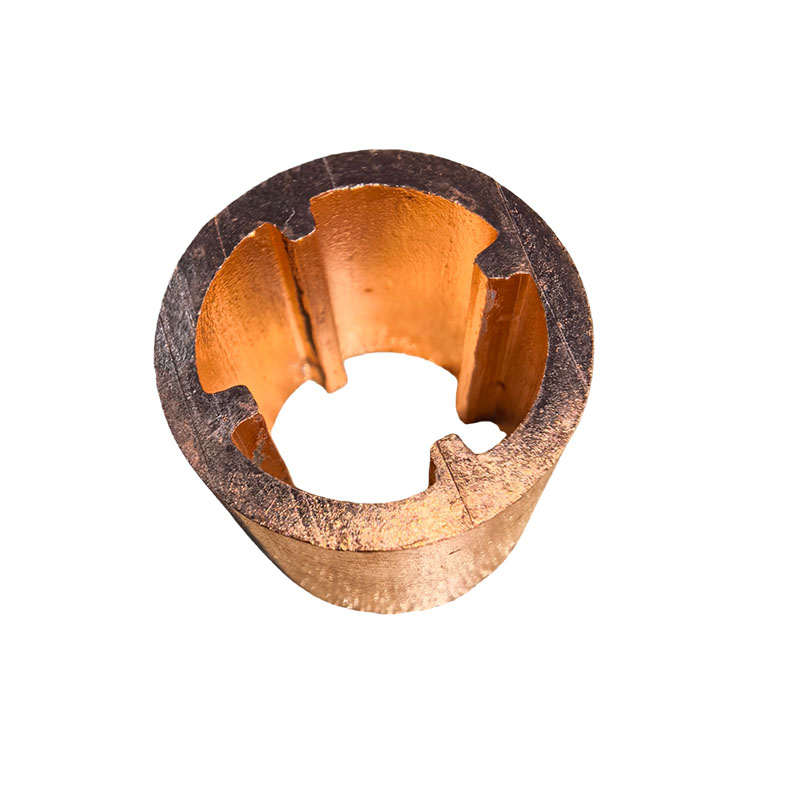
The manufacturing process plays a critical role in the performance of a conductor. Seamless cold-drawing, the process used to create these unique square-in-square conductors, offers distinct advantages over welded or extruded alternatives. In a seamless conductor, the grain structure of the metal remains continuous and uninterrupted throughout the length of the bar.
Welded tubes or bars possess a seam line, which represents a potential point of failure. This seam can be susceptible to corrosion, mechanical separation, or electrical inconsistency. In contrast, a seamless conductor provides uniform mechanical strength and consistent electrical conductivity across the entire cross-section. The cold-drawing process further enhances the material by work-hardening the copper, increasing its tensile strength and yield strength without the need for alloying elements that would reduce conductivity. This results in a busbar that is robust enough to withstand the rigors of installation and the mechanical stresses of operation, such as electromagnetic forces during short-circuit events.
Mechanical Advantages of the Square Cross-Section
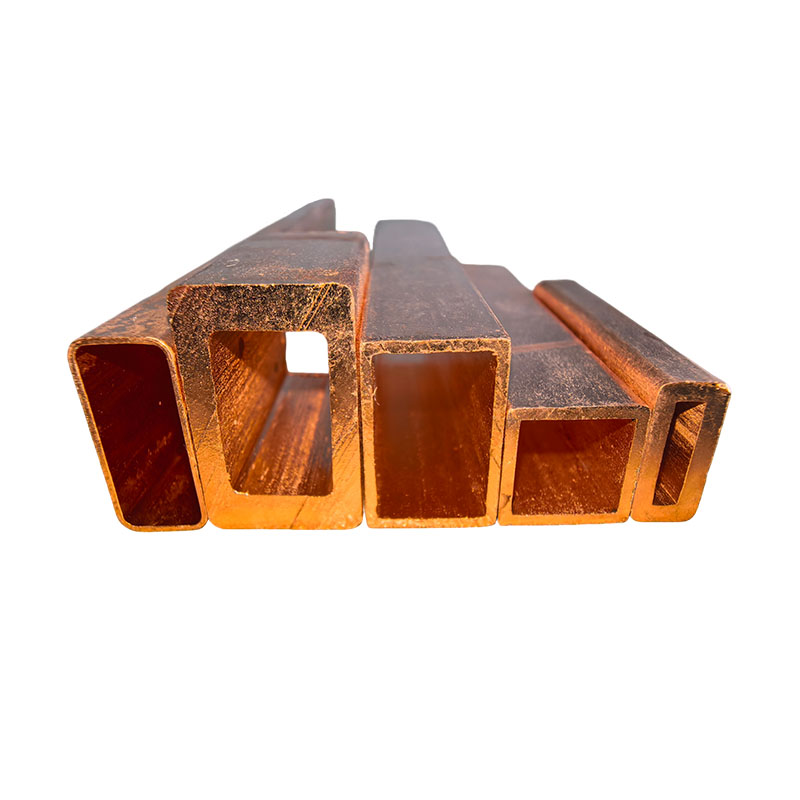
The specific geometry of the conductor, featuring square or rectangular cross-sections both inside and out, addresses the practical challenges of installation and connection. Traditional round conductors, while efficient to manufacture, present difficulties when interfacing with flat connection points common in switchgear, transformers, and distribution panels.
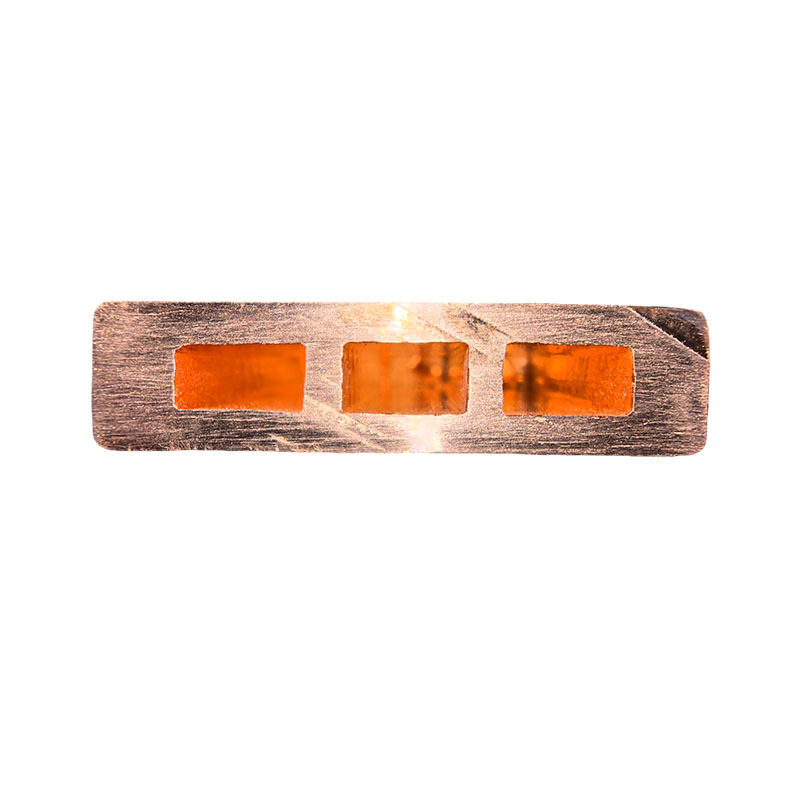
The "square within a square" design maximizes the surface area available for current transfer and heat dissipation. More importantly, it simplifies the mechanical interface. Flat surfaces allow for secure bolting and clamping, ensuring a low-resistance connection that remains stable over time. This geometry prevents the conductor from rotating during installation, facilitating precise alignment in tight spaces. For embedded installations or applications requiring rectangular busbar splicing, the square profile allows for a compact and organized layout, optimizing the use of space within electrical enclosures.
Thermal Management and Current Density
Efficient heat dissipation is a critical factor in the design of busbar systems. As current flows through a conductor, heat is generated. If this heat is not effectively dissipated, the temperature of the busbar rises, potentially damaging insulation and reducing the lifespan of the component. The seamless oxygen-free copper conductor excels in thermal management due to the high thermal conductivity of the material itself.
The square cross-section further aids in this regard by providing a larger surface-area-to-volume ratio compared to a solid round bar of equivalent cross-sectional area. This geometry allows heat to escape more efficiently into the surrounding air or cooling medium. Consequently, these busbars can often carry higher current densities than their round or welded counterparts without exceeding temperature limits. This capability allows designers to downsize the overall footprint of the power distribution system while maintaining or even increasing power capacity.
Long-Term Reliability and Corrosion Resistance
The longevity of an electrical installation is paramount. Oxygen-free copper is inherently resistant to corrosion, ensuring that the electrical connection remains low-resistance throughout the life of the equipment. The seamless nature of the conductor eliminates crevices where moisture and contaminants could accumulate, further enhancing its resistance to environmental degradation.
This durability is essential for critical infrastructure where maintenance downtime must be minimized. The combination of a pure material and a robust manufacturing process ensures that the busbar will not degrade due to oxidation or mechanical fatigue. This reliability makes seamless oxygen-free copper the preferred choice for demanding applications in power generation, industrial manufacturing, and transportation systems.
The decision to utilize seamless oxygen-free copper for busbar applications is a decision for quality and performance. By combining the highest grade of conductive material with a seamless manufacturing process and a mechanically optimized square geometry, this solution addresses the complex requirements of modern power distribution. It offers a balance of low electrical resistance, high mechanical strength, ease of installation, and superior thermal performance. As the demand for efficient and reliable power transmission grows, the seamless oxygen-free copper conductor stands as the definitive standard for engineering excellence.
Unmatched Electrical Conductivity and Purity
The primary justification for selecting oxygen-free copper for busbar applications is its superior electrical conductivity. In electrical engineering, the purity of the conductive material is directly proportional to its efficiency. Oxygen-free copper is refined to remove oxygen and other impurities that typically create resistance within the metal lattice. Standard copper contains oxygen, which can form copper oxide inclusions during processing. These inclusions act as barriers to electron flow, increasing electrical resistance and generating unwanted heat.
By utilizing oxygen-free copper, engineers ensure a material with a conductivity rating often exceeding 101% IACS. This high level of purity allows for the transmission of large currents with minimal voltage drop and energy loss. In high-power applications, this efficiency translates to significant operational cost savings and reduced thermal loads on the surrounding infrastructure. The absence of oxygen also eliminates the risk of "hydrogen sickness," a phenomenon where hydrogen atoms diffuse into the copper at high temperatures and react with oxygen to form steam pockets, which can cause micro-cracking and embrittlement. Therefore, oxygen-free copper maintains its structural and electrical integrity even under thermal stress.
The Structural Integrity of Seamless Manufacturing
The manufacturing process plays a critical role in the performance of a conductor. Seamless cold-drawing, the process used to create these unique square-in-square conductors, offers distinct advantages over welded or extruded alternatives. In a seamless conductor, the grain structure of the metal remains continuous and uninterrupted throughout the length of the bar.
Welded tubes or bars possess a seam line, which represents a potential point of failure. This seam can be susceptible to corrosion, mechanical separation, or electrical inconsistency. In contrast, a seamless conductor provides uniform mechanical strength and consistent electrical conductivity across the entire cross-section. The cold-drawing process further enhances the material by work-hardening the copper, increasing its tensile strength and yield strength without the need for alloying elements that would reduce conductivity. This results in a busbar that is robust enough to withstand the rigors of installation and the mechanical stresses of operation, such as electromagnetic forces during short-circuit events.
Mechanical Advantages of the Square Cross-Section
The specific geometry of the conductor, featuring square or rectangular cross-sections both inside and out, addresses the practical challenges of installation and connection. Traditional round conductors, while efficient to manufacture, present difficulties when interfacing with flat connection points common in switchgear, transformers, and distribution panels.
The "square within a square" design maximizes the surface area available for current transfer and heat dissipation. More importantly, it simplifies the mechanical interface. Flat surfaces allow for secure bolting and clamping, ensuring a low-resistance connection that remains stable over time. This geometry prevents the conductor from rotating during installation, facilitating precise alignment in tight spaces. For embedded installations or applications requiring rectangular busbar splicing, the square profile allows for a compact and organized layout, optimizing the use of space within electrical enclosures.
Thermal Management and Current Density
Efficient heat dissipation is a critical factor in the design of busbar systems. As current flows through a conductor, heat is generated. If this heat is not effectively dissipated, the temperature of the busbar rises, potentially damaging insulation and reducing the lifespan of the component. The seamless oxygen-free copper conductor excels in thermal management due to the high thermal conductivity of the material itself.
The square cross-section further aids in this regard by providing a larger surface-area-to-volume ratio compared to a solid round bar of equivalent cross-sectional area. This geometry allows heat to escape more efficiently into the surrounding air or cooling medium. Consequently, these busbars can often carry higher current densities than their round or welded counterparts without exceeding temperature limits. This capability allows designers to downsize the overall footprint of the power distribution system while maintaining or even increasing power capacity.
Long-Term Reliability and Corrosion Resistance
The longevity of an electrical installation is paramount. Oxygen-free copper is inherently resistant to corrosion, ensuring that the electrical connection remains low-resistance throughout the life of the equipment. The seamless nature of the conductor eliminates crevices where moisture and contaminants could accumulate, further enhancing its resistance to environmental degradation.
This durability is essential for critical infrastructure where maintenance downtime must be minimized. The combination of a pure material and a robust manufacturing process ensures that the busbar will not degrade due to oxidation or mechanical fatigue. This reliability makes seamless oxygen-free copper the preferred choice for demanding applications in power generation, industrial manufacturing, and transportation systems.
The decision to utilize seamless oxygen-free copper for busbar applications is a decision for quality and performance. By combining the highest grade of conductive material with a seamless manufacturing process and a mechanically optimized square geometry, this solution addresses the complex requirements of modern power distribution. It offers a balance of low electrical resistance, high mechanical strength, ease of installation, and superior thermal performance. As the demand for efficient and reliable power transmission grows, the seamless oxygen-free copper conductor stands as the definitive standard for engineering excellence.