


How to optimize the cross-sectional structure of single-hole irregular-shaped oxygen-free copper seamless conductors to reduce conductor resistance loss in high-current wiring harnesses of new energy
Release Time : 2026-05-29
In the high-voltage electrical systems of new energy vehicles, high-current wiring harnesses are responsible for the power transmission between the power battery, motor controller, and drive motor. Their conductivity directly affects the vehicle's efficiency, range, and operational safety. Single-hole irregular-shaped oxygen-free copper seamless conductors, with their high-purity materials, excellent conductivity, and flexible structural design advantages, are gradually becoming an important choice for high-performance wiring harnesses. However, under high-current transmission environments, conductors still experience some resistance loss and heat accumulation.
1. Reasonably increase the effective conductive area to improve current-carrying capacity
Conductor resistance is closely related to cross-sectional area. While ensuring sufficient installation space, appropriately increasing the effective conductive area of the conductor can significantly reduce the resistance per unit length, thereby reducing energy loss. For single-hole irregular-shaped cross-section conductors, the cross-sectional distribution can be optimized according to actual wiring requirements, allowing more material to participate in current transmission and improving overall current-carrying efficiency. At the same time, avoid excessively narrow local cross-sections that lead to concentrated current density, thus reducing heat generation.
2. Optimizing Irregular Cross-Sectional Shapes to Improve Space Utilization
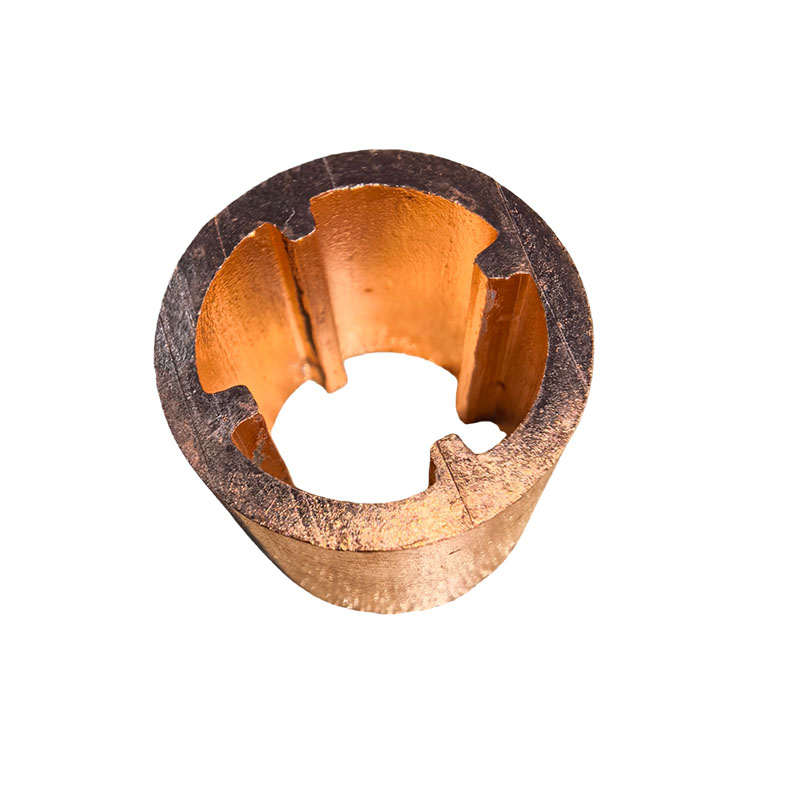
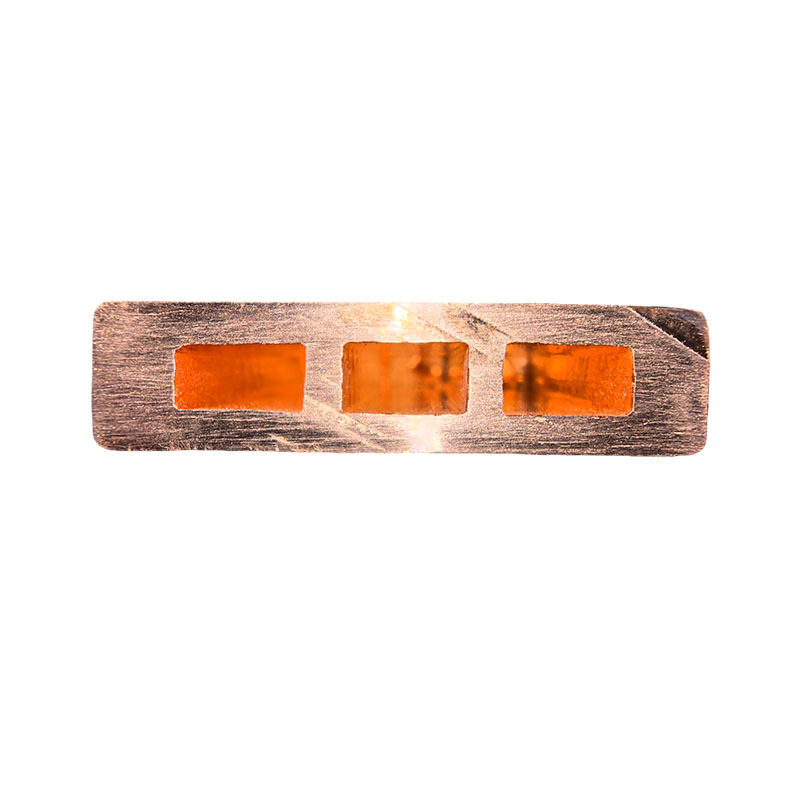
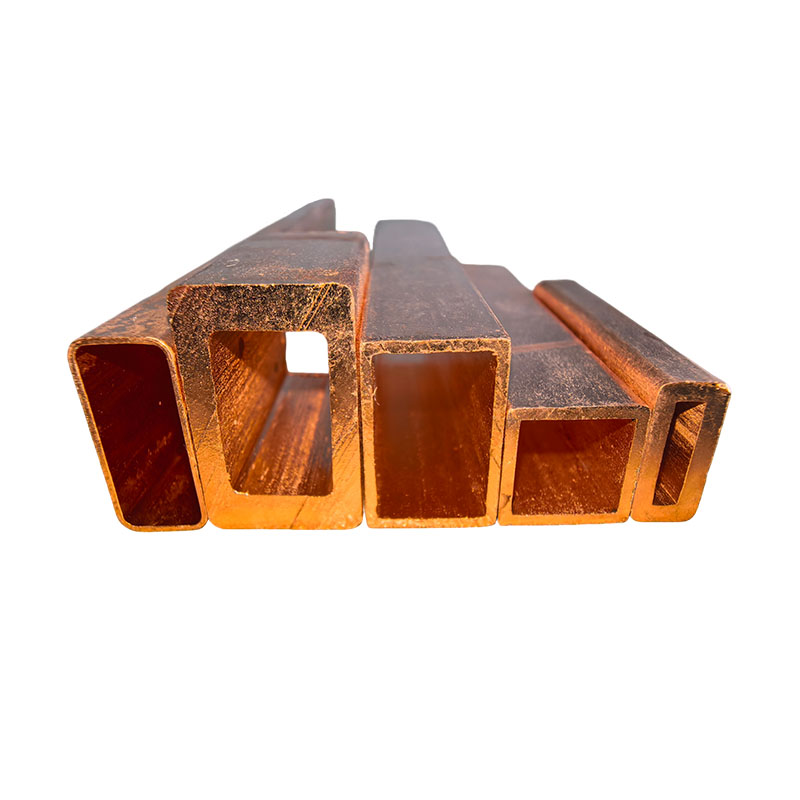
The compact interior space of new energy vehicles places high demands on wiring harness layout. Compared to traditional circular conductors, irregular cross-sectional structures can better fit the equipment installation space, increasing wiring density. During the design process, optimizing the edge contour and internal structure allows the conductor to achieve a larger conductive cross-sectional area within a limited space. This satisfies spatial layout requirements while effectively reducing conductor resistance, achieving dual optimization of structural design and electrical performance.
3. Improving Current Distribution and Reducing Local Losses
Under high-current conditions, uneven current distribution within the conductor can easily lead to excessively high local current density, increasing losses and temperature rise. Optimizing the cross-sectional geometry can make the current distribution more balanced. For example, reducing sharp corners, optimizing curvature transition areas, and improving cross-sectional symmetry all help reduce local current concentration. A uniform current path not only reduces resistance losses but also improves the long-term stability of the conductor.
4. Leveraging the Advantages of Seamless Integrated Molding Structures
Traditional spliced conductors are prone to contact resistance at connection points, while single-hole seamless conductors, using an integrated molding process, effectively avoid this problem. Seamless structures create continuous and stable conductive channels, reducing energy loss during current transmission. Simultaneously, the absence of welded joints or mechanical connection interfaces reduces the risk of localized heating, improving the overall conductivity and reliability of the conductor.
5. Reduced Thermal Resistance and Enhanced Heat Dissipation
Conductor resistance loss ultimately converts into heat energy; therefore, heat dissipation performance also affects system efficiency. During cross-sectional design, the heat dissipation path can be optimized by considering the conductor's surface area and spatial layout. For example, appropriately increasing the contact area between the outer surface and air improves heat release efficiency. As the temperature decreases, the resistance of the copper conductor also decreases accordingly, further reducing energy loss and creating a virtuous cycle.
6. Improved Manufacturing Accuracy to Ensure Performance Consistency
Cross-sectional structure optimization relies not only on the design scheme but also on high-precision manufacturing processes. Controlling dimensional tolerances through precision rolling and cold drawing processes ensures a uniform and stable conductor cross-section, preventing localized thickness variations from affecting current transmission. Good dimensional consistency helps maintain stable resistance characteristics, improving the overall performance and reliability of new energy vehicle wiring harness systems.
The advantages of single-hole irregular-shaped oxygen-free copper seamless conductor in high-current wiring harness applications in new energy vehicles are not only reflected in the high conductivity of the material itself, but also in the ability to optimize the cross-sectional structure design. By increasing the effective conductive area, optimizing the irregular cross-sectional shape, improving current distribution, leveraging the advantages of the seamless structure, enhancing heat dissipation performance, and improving manufacturing precision, conductor resistance loss can be effectively reduced and power transmission efficiency improved.
1. Reasonably increase the effective conductive area to improve current-carrying capacity
Conductor resistance is closely related to cross-sectional area. While ensuring sufficient installation space, appropriately increasing the effective conductive area of the conductor can significantly reduce the resistance per unit length, thereby reducing energy loss. For single-hole irregular-shaped cross-section conductors, the cross-sectional distribution can be optimized according to actual wiring requirements, allowing more material to participate in current transmission and improving overall current-carrying efficiency. At the same time, avoid excessively narrow local cross-sections that lead to concentrated current density, thus reducing heat generation.
2. Optimizing Irregular Cross-Sectional Shapes to Improve Space Utilization
The compact interior space of new energy vehicles places high demands on wiring harness layout. Compared to traditional circular conductors, irregular cross-sectional structures can better fit the equipment installation space, increasing wiring density. During the design process, optimizing the edge contour and internal structure allows the conductor to achieve a larger conductive cross-sectional area within a limited space. This satisfies spatial layout requirements while effectively reducing conductor resistance, achieving dual optimization of structural design and electrical performance.
3. Improving Current Distribution and Reducing Local Losses
Under high-current conditions, uneven current distribution within the conductor can easily lead to excessively high local current density, increasing losses and temperature rise. Optimizing the cross-sectional geometry can make the current distribution more balanced. For example, reducing sharp corners, optimizing curvature transition areas, and improving cross-sectional symmetry all help reduce local current concentration. A uniform current path not only reduces resistance losses but also improves the long-term stability of the conductor.
4. Leveraging the Advantages of Seamless Integrated Molding Structures
Traditional spliced conductors are prone to contact resistance at connection points, while single-hole seamless conductors, using an integrated molding process, effectively avoid this problem. Seamless structures create continuous and stable conductive channels, reducing energy loss during current transmission. Simultaneously, the absence of welded joints or mechanical connection interfaces reduces the risk of localized heating, improving the overall conductivity and reliability of the conductor.
5. Reduced Thermal Resistance and Enhanced Heat Dissipation
Conductor resistance loss ultimately converts into heat energy; therefore, heat dissipation performance also affects system efficiency. During cross-sectional design, the heat dissipation path can be optimized by considering the conductor's surface area and spatial layout. For example, appropriately increasing the contact area between the outer surface and air improves heat release efficiency. As the temperature decreases, the resistance of the copper conductor also decreases accordingly, further reducing energy loss and creating a virtuous cycle.
6. Improved Manufacturing Accuracy to Ensure Performance Consistency
Cross-sectional structure optimization relies not only on the design scheme but also on high-precision manufacturing processes. Controlling dimensional tolerances through precision rolling and cold drawing processes ensures a uniform and stable conductor cross-section, preventing localized thickness variations from affecting current transmission. Good dimensional consistency helps maintain stable resistance characteristics, improving the overall performance and reliability of new energy vehicle wiring harness systems.
The advantages of single-hole irregular-shaped oxygen-free copper seamless conductor in high-current wiring harness applications in new energy vehicles are not only reflected in the high conductivity of the material itself, but also in the ability to optimize the cross-sectional structure design. By increasing the effective conductive area, optimizing the irregular cross-sectional shape, improving current distribution, leveraging the advantages of the seamless structure, enhancing heat dissipation performance, and improving manufacturing precision, conductor resistance loss can be effectively reduced and power transmission efficiency improved.